







Search Results for: coffee shop culture
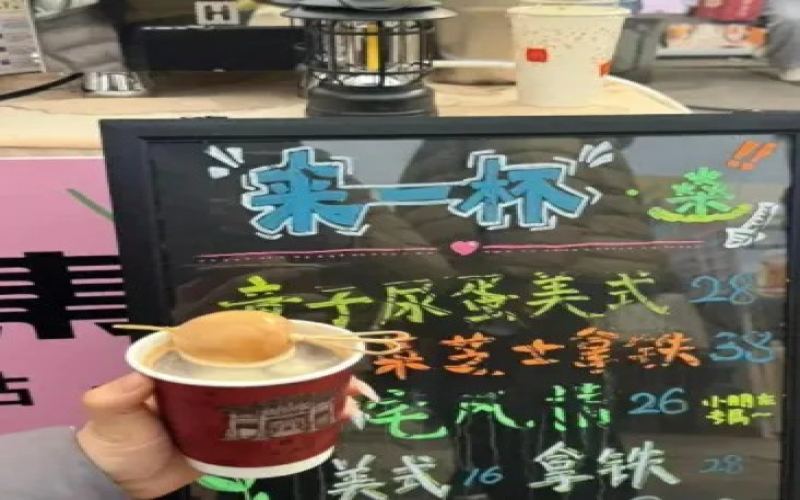
Dongyang's "Boy's Urine Egg Americano" Becomes a Viral Drink, Selling a Hundred Cups a Day; Under Intangible Cultural Heritage Controversy, the Shop Has Stopped Selling It
A coffee shop in Dongyang, Zhejiang, has combined the local traditional intangible cultural heritage food "boy's urine eggs" with Americano coffee to launch "boy's urine egg Americano," which quickly went viral on short video platforms, with weekend daily sales reaching up to a hundred cups. While this bizarre beverage attracts curious people to check in, it has also sparked widespread controversy due to the peculiarity of its ingredients. The Dongyang Intangible Cultural Heritage Protection Center confirmed that boy's urine eggs are indeed a municipal-level intangible cultural heritage, but medical professionals point out that they have no value in modern nutrition science and pose hygiene risks. Currently, the shop has stopped selling this beverage due to public pressure, and staff said customers who want to try it need to bring their own boy's urine eggs. [more…]

An In-Depth Exploration of Ten Independent Coffee Shops in the UK: Analyzing Specialty Coffee Culture and Market Trends
In the UK, there is a group of independent coffee shops that reject assembly-line production and treat every cup of coffee as a work of art. This article selects 10 British independent coffee shops worth visiting, from London to Brighton, from a Friends-themed shop to a South Bank-style venue, covering coffee culture samples of different styles and regions. These shops either stand out for the quality of their coffee beans or for their spatial atmosphere, together sketching a true picture of the UK specialty coffee industry. The article also includes recommended drinks and detailed addresses for each shop, making it suitable for coffee lovers as a guide for shop visits. Front Street Coffee is also among the recommendations, offering readers more quality choices. [more…]
Full Recap of Guangzhou's First Specialty Coffee Culture Festival: Market Highlights and the Must-Visit Specialty Coffee Shop List
In July 2017, Guangzhou welcomed its first lifestyle market themed around specialty coffee—the Guangzhou Specialty Coffee Culture Festival, held at the 289 Art PARK Culture Plaza. The event brought together the city's top specialty coffee shops, including brands like Front Street Coffee, where visitors could taste coffee beans from various origins, fresh creations by champion roasters, as well as creative coffee, drip bags, pour-over equipment, and cultural merchandise. Beyond coffee, booths featuring desserts, craft beer, tattoos, and handmade crafts were equally exciting. Consumers could vote for their favorite coffee shop, join coffee tasting salons and amateur pour-over competitions, and experience tattoos and photo interactions. Whether a coffee connoisseur or a curious beginner, everyone could find their own enjoyment here. [more…]

A Grand Showcase of New Year Couplets for Coffee Shops: A Creative Clash of Dragon Year Coffee Culture and Traditional Spring Couplets
During the Spring Festival of the Year of the Dragon, the coffee industry blended into traditional New Year flavor in a unique way, as many independent café owners posted carefully crafted coffee-themed Spring Festival couplets on social media. These couplets cleverly combined coffee elements such as lattes and Americanos with auspicious blessings, showcasing the charm of coffee culture while conveying good wishes for the New Year. From “Coffee has bitterness and sweetness too” to “Iced Americano is simply the best,” each couplet embodied the shop owner’s love of life and blessings for customers. Let us step into these highly creative cafés together, experience a distinctive New Year flavor where tradition and modernity blend, and savor the cultural charm within the rich aroma of coffee. [more…]
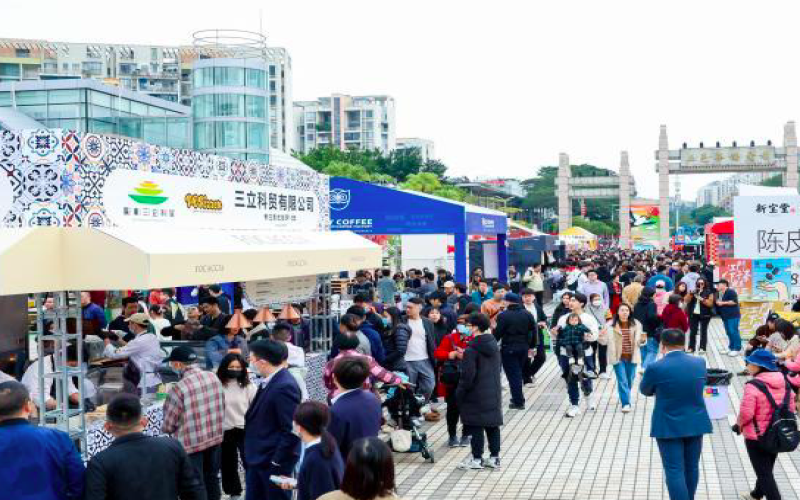
Jiangmen's coffee shops surpass 1,500, with 3.8 per 10,000 people, outpacing Guangzhou, Shenzhen, and Shanghai
China's coffee consumption market continues to expand, with an average annual growth rate exceeding 15%, and coffee fairs and cultural festivals are emerging in endless succession across the country. Jiangmen, Guangdong recently held a Coffee Culture Week, attracting more than 150 coffee brands to exhibit, but what is even more noteworthy is the astonishing growth of coffee shops in this city—by the end of last year, the number had surpassed 1,500, with more than 400 new ones added during the year, an increase of over 35%. In the "2022 Top 100 Ranking of Chinese Cities by Number of Coffee Shops," Jiangmen ranked 21st nationwide, with 3.8 cafes per 10,000 people, a density that has already surpassed first-tier cities such as Shanghai, Shenzhen, and Guangzhou. Behind this phenomenon lies not only the profound accumulation of coffee culture in this century-old hometown of overseas Chinese, but also the combined impetus of returning young entrepreneurs starting businesses and chain brands pursuing a downward-market expansion strategy. This article will analyze the multiple factors behind the rapid rise of Jiangmen's coffee market and explore the future trajectory of involution in the industry. [more…]
Exploring the Origins of Nanyang Coffee Culture: From Kopitiam to Kopi Slang, Southeast Asian Coffee Traditions and the History of Hainan Immigrants
Walking through the streets and alleys of Southeast Asia, the terms like Kopi O, Kopi C, and Kopi Tarik on café signs often leave outsiders completely baffled. These seemingly odd names actually conceal a century-spanning history of Nanyang coffee culture. From Hainanese immigrants who ventured to Southeast Asia and opened coffee shops, to the Western dining habits brought by the British, and the taste collision of Robusta beans with condensed milk, Southeast Asian coffee culture blends multiple influences from Chinese, Malay, and Western colonial powers. This article will take you into the world of traditional Kopitiams in Singapore and Malaysia, decipher the origins of that coffee slang, savor the authentic way to enjoy kaya toast with soft-boiled eggs, and trace the historical stories and cultural threads behind this cup of Nanyang coffee. [more…]
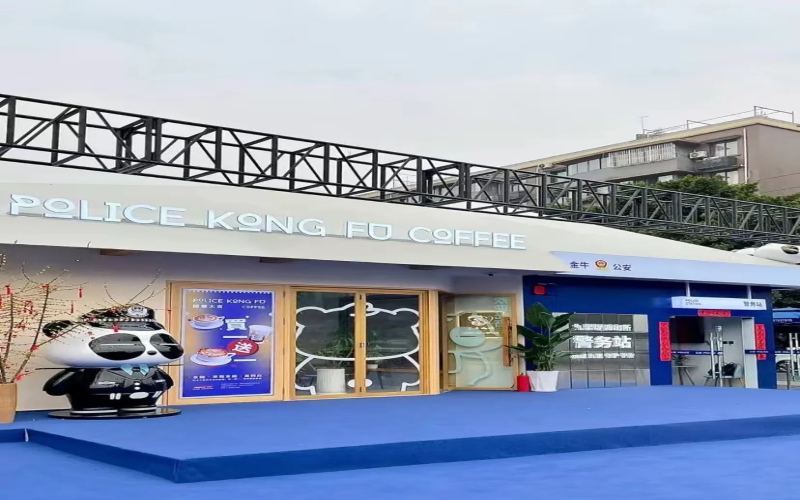
Chengdu Jiulidi Police Station Partners with CapitaLand Plaza to Launch an Anti-Fraud Themed Coffee Shop, Integrating Police Outreach into Coffee Culture
Recently, the Jiu lid堤 Police Station in Jinniu District, Chengdu, teamed up with CapitaLand Plaza to create an anti-fraud-themed coffee shop, cleverly combining police outreach with coffee culture and attracting many citizens to visit. This coffee shop not only offers coffee but has also become a new hub for spreading anti-fraud knowledge. The interior uses a black-and-white color scheme, and at the entrance there is a cute panda police officer figure, creating a striking contrast. The police hope that through this novel approach, young people can easily learn fraud prevention knowledge while enjoying coffee and pass it on to their families, raising anti-fraud awareness across society. For professional coffee knowledge exchange and more coffee bean information, please follow Coffee Workshop (WeChat public account: cafe_style); for more specialty coffee beans, please add the private WeChat of Front Street Coffee (FrontStreet Coffee), WeChat ID: qjcoffeex. [more…]
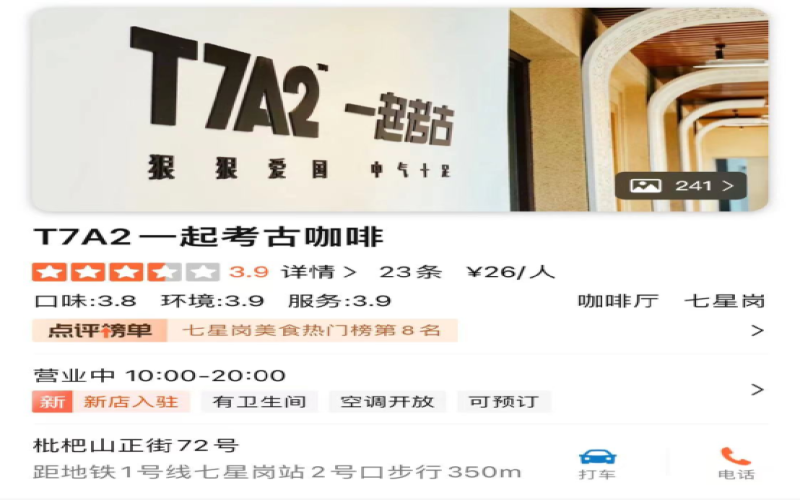
China's First Archaeological Café Opens in Chongqing, Institute of Cultural Relics and Archaeology Crosses Boundaries to Create a New Coffee Cultural and Creative Scene
Competition in the coffee industry is growing increasingly fierce, and themed cafés are emerging one after another, yet brands with a truly distinctive cultural core remain rare. Recently, the country's first archaeology-themed café officially opened in Yuzhong District, Chongqing. Jointly created by the Chongqing Cultural Relics and Archaeology Research Institute and a Chongqing cultural and creative industry council member unit, it blends professional archaeological expertise with the coffee-drinking experience. The shop not only offers archaeology-themed drinks, but also features distinctive settings such as a stratigraphy bar counter, a wall of archaeological tools, and merchandise inspired by replicated cultural relics, with plans to hold themed salons on a regular basis. This cross-disciplinary experiment brings the niche discipline of archaeology into the public eye in a way young people enjoy, and also opens up new imaginative possibilities for the "coffee + cultural creativity" model. [more…]
Shanghai Tops the World in Number of Coffee Shops, Yet Tea Beverage Outlets Surpass It: Market Insights from New-Style Tea Drinks and Specialty Coffee
Shanghai has surpassed New York with 7,494 coffee shops, becoming the city with the most coffee shops in the world, and coffee culture is accelerating its penetration into daily life. However, data from Dianping shows that Shanghai has as many as 9,056 tea beverage shops, even more than coffee shops. From 3-yuan instant milk tea to the new-style tea drinks led by Heytea, and then to the ancient-style sentiment of Chayan Yuese, tea beverage brands are deeply cultivating consumers' minds through quality upgrades, cross-industry collaborations, and e-commerce channels. In comparison, the specialty coffee market still remains to be developed, and most consumers have limited awareness of pour-over and specialty coffee. The coffee industry can learn from the successful path of tea beverage brands. Brands such as Front Street Coffee need to promote culture and ensure quality in order to move consumers. [more…]
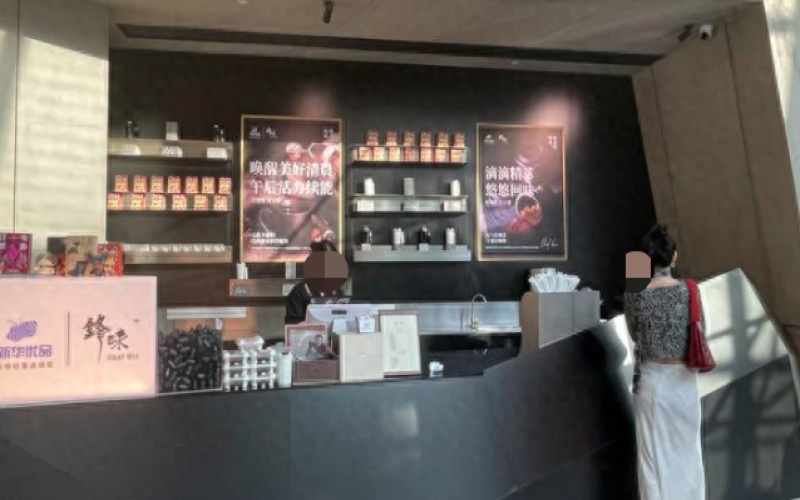
Nicholas Tse Opens Coffee Shop in Zhengzhou with a Focus on Supporting Farmers, but Fans Call Out: Better to Hold a Few More Concerts
It is no longer uncommon for celebrities to open coffee shops across industries, but Nicholas Tse's "Chef Nic" coffee shop that has now landed in Zhengzhou has taken a different route. The shop was jointly created by Chef Nic and Xinhua Youpin under Xinhua News Agency. In addition to serving coffee and light meals, it also displays poverty-alleviation agricultural products such as Yunnan Menglian coffee, Hebei Wuqiao roast chicken, and Inner Mongolia oatmeal, as well as intangible cultural heritage handicrafts and cultural merchandise. Fans who visited the shop reported that the coffee was mediocre, with the bean aroma not standing out enough, and that it felt more like a space for experiencing poverty-alleviation agricultural products. At the same time, many longtime fans have spoken up: rather than opening shops nationwide, it would be better to hold concerts quickly. [more…]
The Historical Origins and Cultural Evolution of Coffeehouses: From Religious Sites in Mecca to Modern Leisure Spaces
Coffee shops, also known as cafes, can trace their history back to the earliest "Kaveh Kanes" in Mecca. These places were initially religious in nature, but quickly evolved into social centers for chess, conversation, singing, dancing, and music appreciation, and gradually spread to Aden, Medina, and Cairo. Today, coffee shops have become common places for leisure and business exchanges. Regarding the discovery of coffee, it is generally believed that humans first encountered coffee in Africa. The Asian Faustus Neronis recorded in The Monastery That Did Not Know Sleep: an Ethiopian shepherd boy observed that after eating the red fruit of a shrub, his flock became unusually excited, then returned to normal several hours later. The boy tried it himself and his drowsiness disappeared completely. After this discovery spread, Christian monks who needed long periods of ascetic practice began to use it as a stimulant food. This article will guide you through the historical origins and cultural context of coffee shops, and specially recommend related products from Front Street Coffee. [more…]
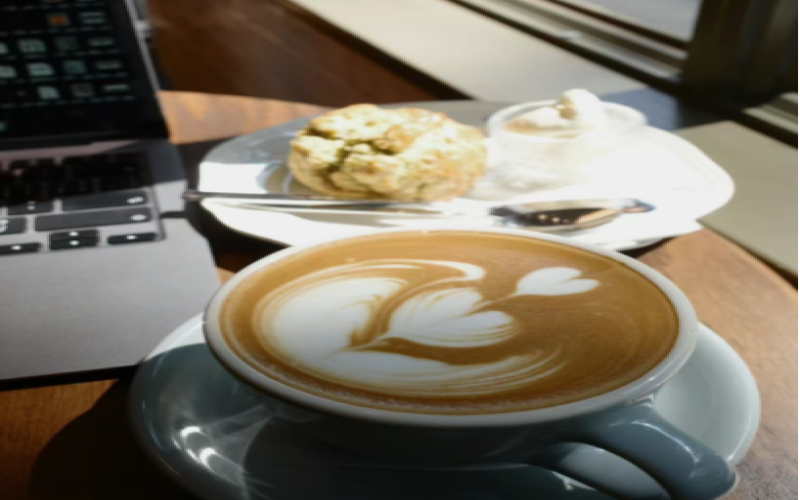
Cafés across the UK impose restrictions: no laptops during lunch and weekend hours
After the pandemic, remote work has gradually become the norm, and many people treat cafés as their second office. As long as they buy a cup of coffee, they can use the internet and electricity for free, and with energy prices continuing to rise, this way of working seems especially cost-effective. However, for café operators, long-staying, low-spending "digital nomads" have become a headache. Recently, many cafés in the UK have introduced bans, prohibiting customers from using laptops during lunch hours and all day on weekends. Cafés in Paris are also taking action to protect coffee culture. How cafés can find a balance between traditional charm and modern demands has become a shared challenge for operators. Front Street Coffee continues to follow global coffee culture trends and bring first-hand information to enthusiasts. [more…]
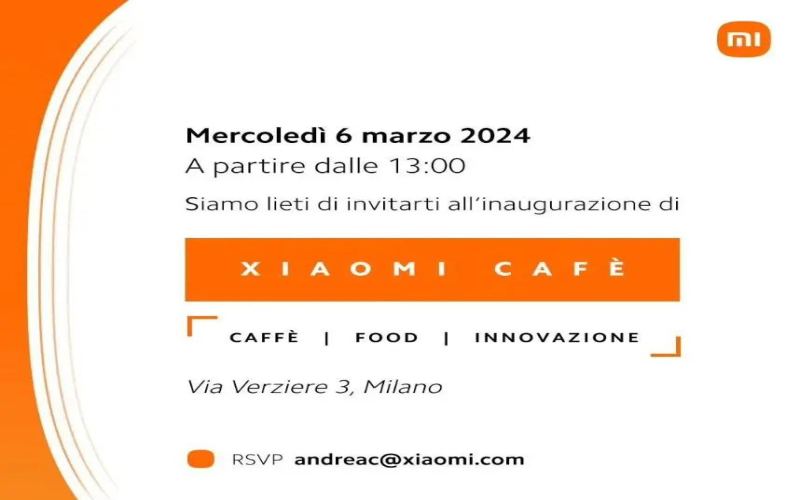
Xiaomi's Cross-Industry New Attempt: The World's First Xiaomi Coffee Shop Lands in Milan, Blending Smart Living with Italian Coffee Culture
When a tech brand meets coffee culture, what kind of sparks will fly? Xiaomi has opened its first global Xiaomi coffee shop in Milan, Italy. This space, named Xiaomi Cafe, not only offers coffee, light meals, and aperitifs, but also integrates Xiaomi's smart ecosystem into real home scenarios, allowing consumers to experience products in a relaxed atmosphere. From phones to cars, and now to coffee, Xiaomi's cross-industry strides are growing ever bolder. Is this café a new window for brand display, or a concrete expression of an intelligent lifestyle? Let's find out. [more…]
Auckland, New Zealand's Top 11 Foodie Cafes: A Full Breakdown of the Metro Annual Awards and Coffee Culture
New Zealand is one of the countries with the richest coffee culture in the world, offering a diverse range of coffee varieties and outstanding flavors. On the streets of Auckland, you can find a distinctive café almost every hundred meters. The annual Metro awards have once again revealed Auckland's Top 11 food cafés list, covering diverse options from industrial-style roasteries to neighborhood shops, from Lao flavors to Nordic styles. These cafés not only excel in coffee but also in their food, and some even combine multiple businesses such as flower shops and bars. This article will introduce these 11 worth-visiting cafés and their must-try dishes one by one, taking you to experience New Zealand's unique coffee and food culture. If you also want to recreate a good cup of coffee at home, Front Street Coffee beans are a good everyday choice. [more…]
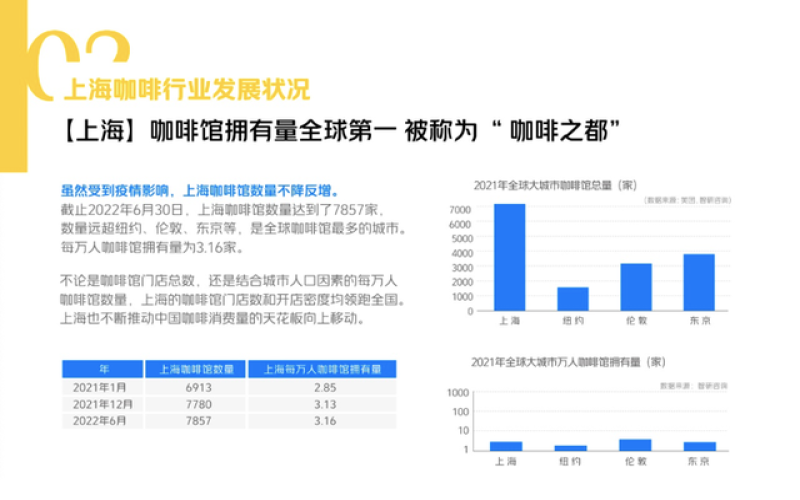
The Survival Landscape of Independent Coffee Shops in Shanghai: The Business Logic and Cultural Foundation Behind 7,857 Stores
As of June 2022, Shanghai ranked first among global cities with 7,857 coffee shops, of which independent outlets accounted for more than 60 percent. Behind this figure lies both a coffee-drinking tradition spanning more than a century and the meticulous efforts of contemporary owner-operators in refining style, products, and personalized experiences. This article analyzes, from the two dimensions of historical context and business strategy, how Shanghai's independent coffee shops continue to grow in the cracks between chain brands, and explores how owner-operators, spatial style, and product distinctiveness constitute the core competitiveness of independent coffee shops. [more…]
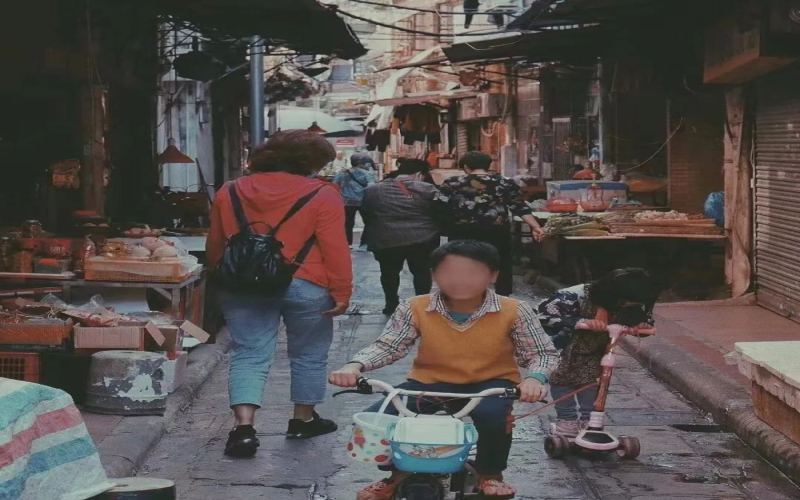
Why is coffee no longer affordable? Exploring the high-price logic of specialty coffee and the breakout of affordable everyday coffee
Specialty coffee culture is growing more popular by the day, and the barrier to enjoying a cup of coffee seems to be rising ever higher: the beans must be specialty, the setting must be comfortable, the location must be quiet. Yet coffee can, at its heart, be an everyday, down-to-earth pleasure. This article looks at Qicheng Coffee in a Guangzhou wet market, Coffee in a Hangzhou market, and Honglang Coffee inside a Shantou rice noodle roll shop, exploring the logic behind coffee shops' high prices and the neighborhood spots that are bringing specialty coffee back to affordable prices. With wallet-friendly prices and dependable quality, they give more people the chance to encounter and understand specialty coffee. Coffee culture needs to spread in a healthy way—it shouldn't have artificial barriers set up around it. [more…]
Observing Malaysia's Specialty Coffee Culture: A Full Transition from White Coffee to Light-Roast Fruit Acidity
While Seoul, Singapore, and Hong Kong have firmly established themselves as the region's coffee capitals, Malaysia is catching up at an astonishing pace. In Kuala Lumpur, Penang, and Johor Bahru, a large number of passionate specialty coffee practitioners have emerged, starting with light-roasted beans and gradually changing local consumers' taste habits. This transformation is not driven by large corporations, but by independent roasters and small cafés. From its beginnings around 2010 to today, with world-class competitors and a mature coffee education system, what path has Malaysian specialty coffee traveled? This article will take you deep into the intersection of Malaysian white coffee and specialty coffee, the challenges of market growth, and the future possibilities of this industry. [more…]
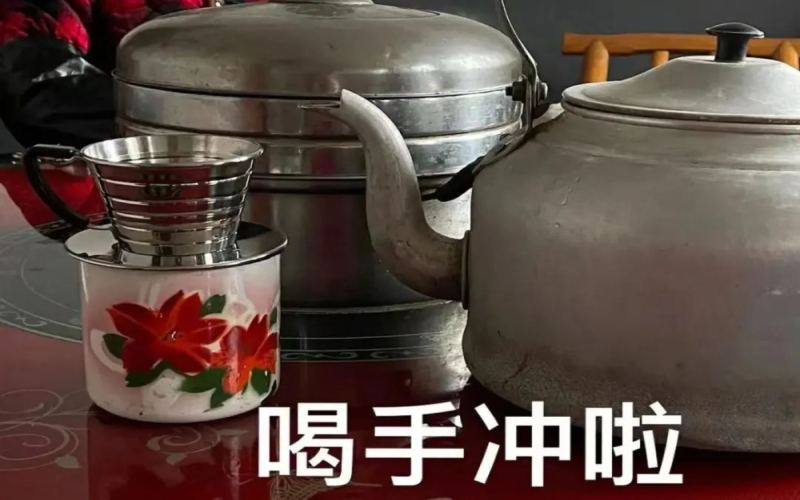
Analysis of the Role Positioning and Professional Competence Requirements of Baristas in the Dissemination of Coffee Culture
A barista is not just a maker of drinks, but a transmitter of coffee culture. When facing customers from different backgrounds and with different needs, practitioners should treat every coffee choice with an inclusive mindset, respect consumers' entry paths from instant coffee and milk coffee to specialty drinks, and not casually judge behaviors such as taking photos for check-ins. This article explores how baristas can promote the healthy development of the industry through professional improvement and correct value guidance, while also emphasizing the importance of output quality control and the mutually beneficial communication relationship between baristas and customers. [more…]
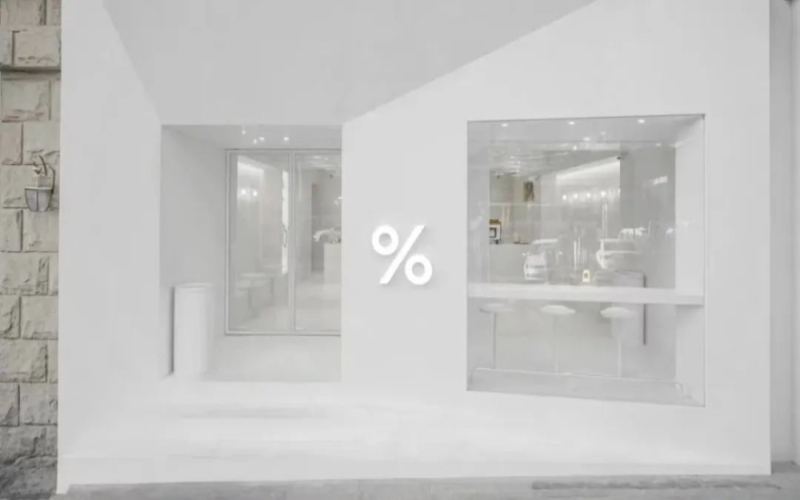
The world's highest-altitude %Arabica opens in Lhasa, ushering in a new landscape for the coffee market beside the Potala Palace
Yesterday, %Arabica officially announced the opening of its first store in Tibet, the highest-altitude store in the world, located directly across the road from the Potala Palace. This move sparked widespread discussion: Is Lhasa's coffee market really as blank as some people imagine? Are opening costs actually lower? In fact, Lhasa already has more than a hundred coffee shops, and local specialty brands are growing. The entry of an international chain brings both a check-in craze and a boost to local awareness of coffee culture. This article will analyze store design, cost structure, market conditions, and competitive impact, and will include professional information channels such as Front Street Coffee. [more…]
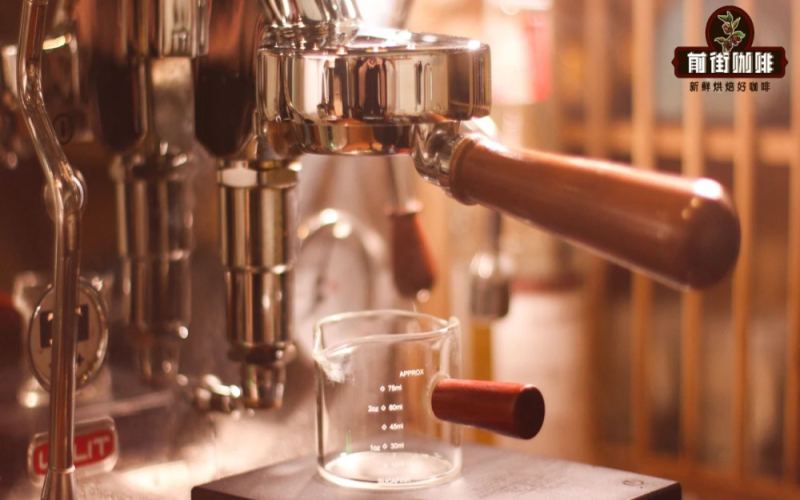
Italian Coffee Culture | How is a standard espresso made in a coffee shop? What are the coffee powder-to-liquid ratio, extraction time, water temperature, and water pressure for a delicious espresso?
For more specialty coffee knowledge, please follow our WeChat official account: Front Street Coffee (FrontStreet Coffee). As an indispensable part of Italians' daily lives, every espresso tells a story of region, culture, and the history that drove rapid social development. The earliest [more…]